Wildfire Ready: Protecting Your Bend Rental & Defensible Space
Wildfire Ready: Protecting Your Bend Rental
The golden hour in Bend, Oregon, is a sight to behold, as the sun dips behind the Cascades and casts a warm, orange glow over the towering Ponderosa pines and the rugged high desert landscape. For a property owner, this beauty is the primary draw for tenants seeking the quintessential Central Oregon lifestyle. However, as the summer heat lingers and the humidity drops, that same landscape presents a significant challenge that requires more than just appreciation; it requires a proactive strategy for protection.
The reality of living in a high desert climate means facing a landscape characterized by dry summers and abundant, often combustible, vegetation. The very features that make a rental property in Bend so attractive, the proximity to wooded areas and the natural, wild feel of the yards, also increase its vulnerability to the threat of wildfire. Protecting a real estate investment in this region is not a passive endeavor; it is an active commitment to safety and resilience.
Creating a "defensible space" is the cornerstone of this commitment. This term refers to the essential buffer zone created between a structure and the surrounding wildland, designed to slow or stop the spread of fire. This space is vital because it protects the home from direct flame contact, radiant heat, and the relentless "ember attacks" that often precede a fire front. Furthermore, a well-maintained defensible space provides a safer area for firefighters to operate if they must defend the property.
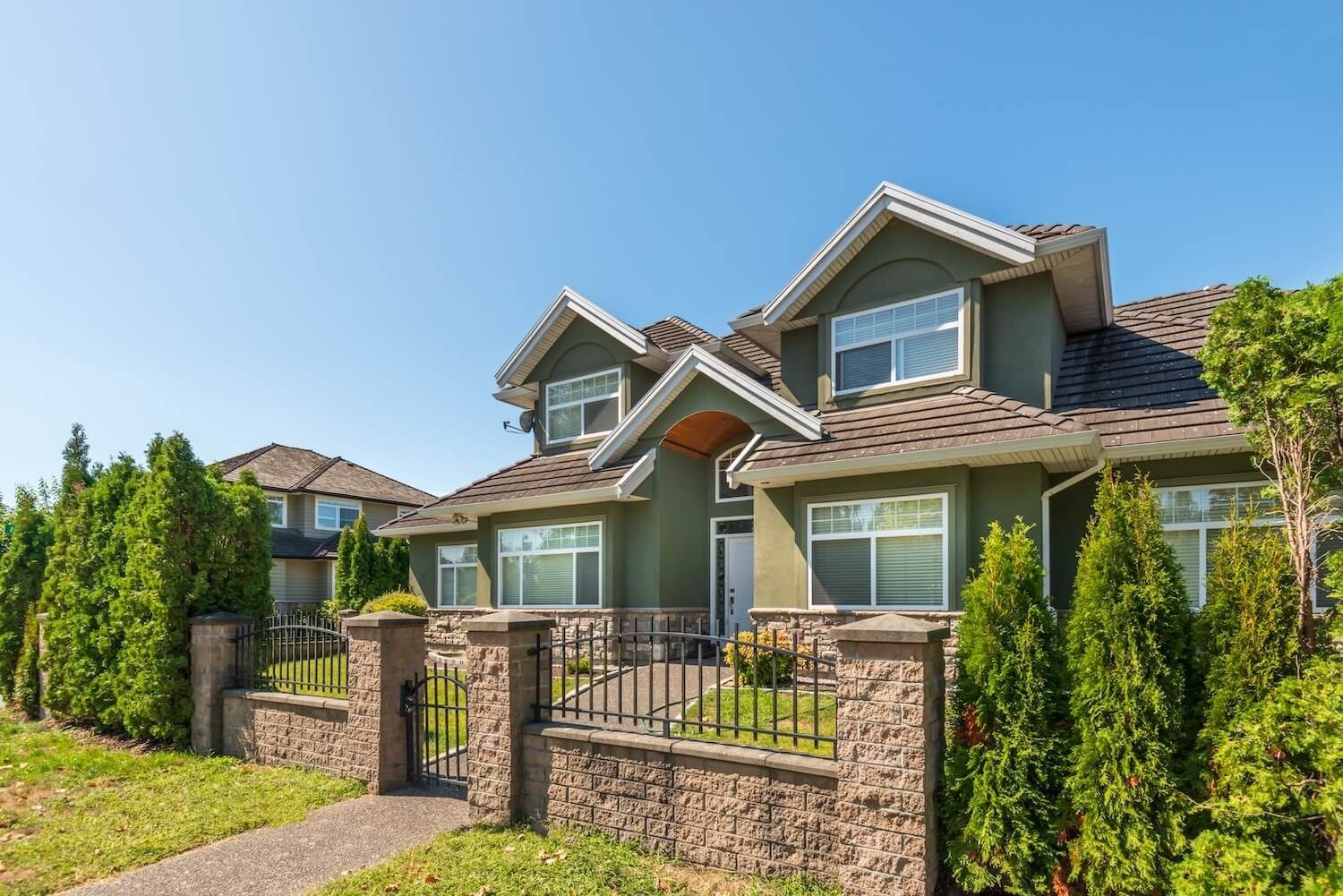
Understanding how to build this protection starts with the concept of zones, where the intensity of property management increases as you move closer to the home. The gold standard for protection begins at the house and works outward, ideally reaching 100 feet or to the property line.
The Critical Five Feet: Zone 0
The most important area for preventing a home from igniting is Zone 0, the "Ember-Resistant Zone," which extends five feet from the exterior walls and any attached structures like decks. While not always a legal requirement in every jurisdiction, it is considered the most critical space for wildfire defense. In this zone, the goal is to eliminate any fuel that an ember could ignite.
Property owners should replace combustible wood mulch with non-flammable alternatives like gravel, pavers, or concrete. It is essential to clear away all dead weeds, grass, and debris that might accumulate against the siding or under a porch. This also includes checking the roof and gutters frequently for pine needles and leaves. Any branches overhanging the roof or coming within ten feet of a chimney must be trimmed back.
Items often found near the home, such as patio furniture, wooden planters, and even trash containers, should be moved outside this five-foot perimeter during peak fire season. Firewood and lumber piles, which are highly flammable, must be relocated much further away, ideally into the outermost zone. For those looking to truly "harden" their property, replacing combustible fencing or gates attached to the house with fire-resistant materials can break the path of a fire trying to reach the structure.
The Lean, Clean, and Green Zone: Zone 1
Moving outward, Zone 1 covers the area from five feet to thirty feet from the home. This is the "Lean, Clean, and Green Zone," where the focus shifts to breaking up the continuity of vegetation. In this area, all dead plants, grass, and weeds must be removed. Keeping the lawn hydrated and green can serve as a natural firebreak, provided it is well-maintained.
Trees in Zone 1 require special attention. Beyond keeping branches away from the chimney, it is important to ensure that the canopies of different trees do not touch, maintaining a minimum ten-foot gap between them. Shrubs and plants near windows should be pruned regularly, and any flammable vegetation under balconies or stairs must be cleared away. For properties with LPG tanks or outbuildings, a ten-foot circle of clear soil is necessary, with an additional ten-foot buffer of low-growing, non-flammable vegetation around that.
Reducing the Fuel Load: Zone 2
The final layer of defense, Zone 2, extends from thirty feet out to one hundred feet. This is the "Reduce Fuel Zone," where the strategy is to ensure that if a fire enters the property, it stays on the ground and moves slowly. Annual grasses in this zone should be trimmed to a maximum height of four inches.
In this outer area, horizontal and vertical spacing between plants becomes the primary focus. Vertical spacing is designed to prevent "ladder fires," where flames climb from the grass to shrubs and then into the tree canopy. A common rule of thumb is to remove lower tree branches up to six feet from the ground. If there are shrubs near a tree, the vertical clearance between the top of the shrub and the lowest tree branch should be three times the height of the shrub.
Horizontal spacing depends largely on the slope of the land. Fires move faster uphill, so trees and shrubs on steeper terrain require much more space between them than those on flat ground. While fallen leaves and needles can be left in this zone to a depth of about three inches to help with soil moisture, larger accumulations and small fallen branches should be removed to keep the total fuel load low.
Hardening the Structure Itself
Protection isn't just about the yard; it is also about the materials used in the building's construction. For rental owners in Bend, upgrading to fire-resistant roofing, siding, and windows can make the difference between a property that survives a wildfire and one that is lost. Modern materials are significantly more resilient to the heat and embers of a forest fire.
Simple maintenance tasks also provide high-value protection. Sealing the exterior of the house with fire-resistant caulk and ensuring that all vents are screened with fine metal mesh can prevent embers from being sucked into the attic or crawlspace. Keeping gutters clean is a year-round task in Central Oregon, as the constant shedding of pine needles creates a "wick" of fuel right at the roofline.
The Role of Professional Oversight
Managing these complex requirements can be overwhelming for an independent landlord. This is where the expertise of a local partner becomes invaluable. A Superior Property Management Company has been operating in Central Oregon since 2007, and its deep roots in the community mean they understand the specific environmental risks of the region. As a local property management company, they understand the unique environmental conditions property owners face in Central Oregon.
Regular property inspections can help owners stay informed about general property conditions throughout the year. A standard management agreement often includes comprehensive inspections multiple times a year. These visits may help identify visible maintenance concerns, landscaping overgrowth, or other issues that owners may wish to address.
When maintenance needs arise, property managers can help coordinate with local vendors and contractors. Because A Superior Property Management Company treats every property as if it were their own, they help owners stay organized with ongoing property maintenance needs.
Tenant Education and Emergency Planning
A wildfire-ready rental property also requires an informed tenant. Property owners are responsible for ensuring that those living in the home know what to do when the smoke begins to settle in the valley. This includes providing clear information on evacuation routes and local emergency contact numbers.
Education should also cover daily fire prevention. Tenants need to understand the local risks associated with the high desert climate, such as the danger of using fireworks or the importance of properly extinguishing charcoal grills. Encouraging tenants to maintain their own "go bags" and emergency kits, filled with water, food, and medical supplies, is another way to prioritize their safety.
Communication is the highest priority when managing a rental in a fire-prone area. Clear, consistent dialogue between the owner, the property manager, and the tenant ensures that everyone is on the same page regarding safety protocols and property maintenance. By fostering these relationships, A Superior Property Management Company helps create a community of responsible renters and protected owners.
FAQs: Protecting Your Bend Investment
Why is defensible space so important in Bend?
Central Oregon’s high desert climate features dry summers and low humidity, which, combined with abundant pine forests and grasses, creates a high risk for rapidly spreading wildfires. Defensible space creates a buffer that slows the fire and protects the structure from heat and embers.
What is the "Ember-Resistant Zone"?
This is Zone 0, which covers the first five feet around your home and any attached decks. It is the most critical area to keep clear of flammable materials like wood mulch, dead leaves, and firewood to prevent embers from igniting the house.
How often should I inspect my rental property for fire hazards?
Professional property management typically includes inspections at least twice a year. These inspections are vital for ensuring that vegetation is being managed correctly and that gutters are clear before the peak of fire season.
What are fire-resistant plants for Central Oregon?
Choosing the right landscaping can slow a fire's progress. Plants like lavender, succulents, and certain ornamental grasses are less likely to ignite compared to highly resinous evergreens or dry shrubs.
Does my standard insurance cover wildfire damage?
Not all policies are equal. It is crucial to review your insurance to ensure it specifically covers wildfire-related losses and to stay up-to-date on preventative measures that might be required to keep your coverage valid.
How can a property manager help with wildfire preparedness?
A property manager can help facilitate communication between owners, tenants, and maintenance vendors while assisting with general property oversight.
Conclusion: A Legacy of Protection
The threat of wildfire is a permanent fixture of life in Central Oregon, but it does not have to be a source of constant anxiety for property owners. By implementing the principles of defensible space, starting with the critical five feet of Zone 0 and extending through the managed fuel loads of Zones 1 and 2, landlords can significantly increase the resilience of their investments.
Building a wildfire-ready property is about more than just clearing brush; it is about creating a comprehensive strategy that involves hardened structures, fire-smart landscaping, and educated tenants. It is a commitment to the long-term health of the property and the safety of the people who call it home.
In an environment as dynamic as Bend, having a partner who is "born and raised local" provides an edge that cannot be replicated.
With their expertise in the local market and their dedication to exceeding owner expectations,
A Superior Property Management Company provides local experience and property management support for owners navigating the unique conditions of Central Oregon. By choosing a team that treats every investment with the care and respect it deserves, property owners can enjoy the beauty of Central Oregon knowing their investments are supported by a knowledgeable local management team.
Share this post